Discover everything you need to know about split ends treatment, from identifying the root causes of damaged hair to effective prevention strategies and at-home and professional repair methods. Get your healthy, strong hair back!Understanding the Enemy: What Are Split Ends?
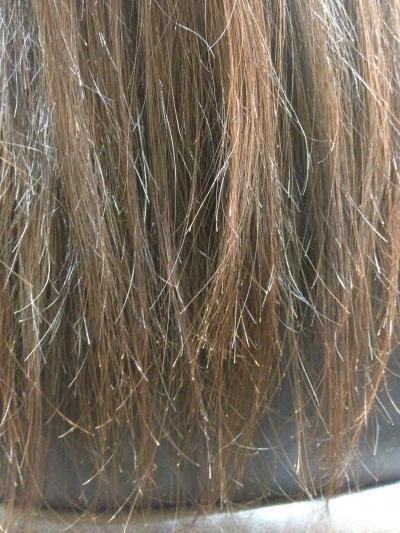
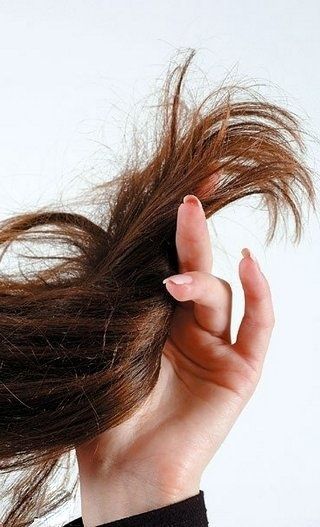
Split ends, medically known as trichoptilosis, are the bane of anyone trying to grow long, healthy hair. They occur when the protective outer layer of your hair strand, the cuticle, is damaged and worn away, causing the inner cortex to unravel and split. This visible fraying at the tip signals that your hair is crying out for moisture, nourishment, and, often, a trim.
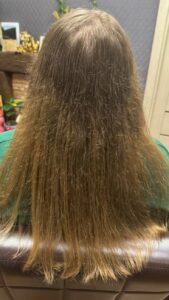
While they may seem like a minor cosmetic issue, split ends are a clear sign of significant hair damage and, if left untreated, can continue to travel up the hair shaft, leading to breakage, thinning, and preventing you from achieving your desired hair length and volume. Understanding the underlying causes is the first crucial step toward effective split ends treatment.
Causes of Split Ends: Why Does My Hair Split?
Several factors contribute to the breakdown of the hair’s structure, leading to the dreaded split. Recognizing these triggers is essential for an effective preventative strategy, which is the best form of split ends treatment.
1. Heat Damage
One of the most common culprits is the excessive use of hot styling tools. Hair dryers, straighteners, and curling irons, especially when used without a heat protectant, essentially “cook” the hair’s internal moisture, making the strand brittle and prone to snapping and splitting. High temperatures instantly weaken the cuticle.
2. Chemical Processing
Dyeing, bleaching, perms, and chemical straightening all involve harsh chemicals that penetrate the hair shaft. While they achieve a desired look, they permanently alter the hair’s structure, compromising the cuticle and leaving the hair vulnerable to damage. Regular deep conditioning is vital after chemical services to support any split ends treatment efforts.
3. Mechanical Stress
This includes vigorous towel drying, aggressive brushing, and even certain hairstyles that put tension on the hair, such as tight ponytails. Friction from scarves, pillows, and clothing can also cause damage over time.
4. Environmental Factors
Exposure to harsh sunlight, wind, dry air, and chlorinated or saltwater can strip the hair of its natural oils, leading to dryness and susceptibility to splitting.
The Most Effective Split Ends Treatment: The Truth About Repair
Let’s address the hard truth: once a hair strand is split, it cannot be truly mended or fused back together. Shampoos and conditioners claiming to “repair” them are temporary fixes—they coat the hair in polymers (like silicone) that smooth the frayed ends, making them look healthy, but this is a cosmetic effect, not a structural repair.
The Only Permanent Split Ends Treatment: The Snip!
The most definitive and lasting split ends treatment is a haircut. Removing the split section prevents the damage from traveling further up the hair shaft.
-
Regular Trims: Getting a trim every 6 to 12 weeks, even if it’s just half an inch, is the single most important preventative measure. If you are trying to grow your hair, removing half an inch of split ends is better than having to cut off three inches of progressed damage later.
-
Dusting/S&D (Search & Destroy): This technique involves carefully snipping only the visible split ends throughout the length of the hair, preserving the overall length. This is an advanced technique best performed by a professional or done carefully at home with sharp hair scissors.
How to Prevent Split Ends: Your Long-Term Strategy
Prevention is the superior long-term split ends treatment. By adopting better hair care habits, you can significantly reduce the rate at which your hair splits.
1. Use a Quality Heat Protectant
Before using any heat styling tool, apply a heat protectant spray or cream. This creates a barrier between the hot plates/air and your hair, slowing down heat transfer and minimizing internal damage. Always use the lowest effective heat setting on your tools.
2. Master the Art of Gentle Hair Handling
-
Towel Drying: Instead of rubbing your hair aggressively with a rough cotton towel, gently squeeze the excess water out. Consider using a microfibre towel or an old cotton t-shirt to reduce friction.
-
Brushing Wet Hair: Hair is most fragile when wet. Use a wide-tooth comb or a dedicated wet brush, starting at the ends and working your way up slowly to detangle. Never rip or force the comb through knots.
-
Pillowcases: Switch to a silk or satin pillowcase. The smooth surface reduces friction against your hair as you sleep, unlike cotton, which can cause snagging and breakage.
3. Deep Conditioning and Moisture
Dry hair is brittle hair, and brittle hair splits. Incorporate moisturizing treatments into your routine:
-
Weekly Deep Conditioner/Mask: Use a protein-balanced or moisture-rich mask once a week.
-
Leave-in Conditioner: Apply a lightweight leave-in conditioner to the mid-lengths and ends of your hair after washing to seal the cuticle and provide all-day protection.
-
Hair Oils: Use natural oils like Argan, Coconut, or Jojoba oil on your ends daily to seal in moisture. This is an excellent at-home split ends treatment supplement.
4. Re-evaluate Chemical Services
If your hair is constantly splitting despite your best efforts, consider reducing the frequency of chemical treatments. Give your hair a break between coloring or bleaching sessions and always use bond-building treatments during and after chemical services.
Frequently Asked Questions About Split Ends Treatment
1. Can I use a special serum or glue to permanently fix my split ends treatment at home?
Unfortunately, no. While many products contain polymers (like silicones) that temporarily seal or “glue” the split ends together, making them look and feel smoother, this effect washes out. They offer a cosmetic fix but are not a structural or permanent split ends treatment. The only way to eliminate a split end is to cut it off.
2. How often should I get a trim if I am prone to split ends?
If you struggle with significant split ends, a trim every 6 to 8 weeks is recommended. If your hair is relatively healthy and you use heat sparingly, you might be able to stretch it to every 10 to 12 weeks. The key is to remove the splits before they progress up the hair shaft, which would require a much larger cut. This consistency is vital for proper split ends treatment.
3. Does braiding or putting my hair up at night prevent split ends?
Yes, it can help! Putting your hair in a loose braid or bun before bed protects the ends from the friction of tossing and turning against your pillowcase. Combined with a satin pillowcase, this habit can significantly reduce mechanical stress and support your overall split ends treatment routine.
4. Are there any dietary supplements that can help with split ends treatment?
While no supplement can cure existing split ends, good nutrition supports the growth of new, healthy, and strong hair. Supplements like Biotin, Omega-3 fatty acids, and vitamins A, C, and E contribute to healthy hair formation, making the new growth more resilient and less prone to future splitting.
Conclusion: Taking Control of Your Hair Health
Managing and preventing split ends is a commitment, not a quick fix. While the ultimate split ends treatment is the regular snip, your daily habits from how you brush your hair to the tools you use and the products you apply play the most significant role in maintaining the integrity of your hair. By being gentle, prioritizing moisture, and consistently protecting your strands from heat and friction, you can enjoy longer, stronger, and noticeably healthier hair.