Learn how to improve skin texture with a simple skincare routine, natural remedies, exfoliation tips and lifestyle changes for smoother, healthier skin.
How to Improve Skin Texture: A Complete Guide to Smoother Skin
Many people struggle with roughness, bumps and dullness and the search for how to improve skin texture often begins with understanding what affects the skin’s surface. Smooth, healthy skin isn’t achieved overnight, but with the right habits, products and lifestyle choices, you can make a dramatic difference. This guide explains causes, routines, treatments and practical steps that help your skin look clearer and feel softer over time.
Why Understanding How to Improve Skin Texture Matters
Skin texture determines how your skin reflects light, absorbs products and maintains overall balance. When you learn how to improve skin texture, you discover how small changes can bring big improvements. Rough patches, clogged pores and dryness often come from everyday habits, environmental exposure, or lack of consistent care.
Main Causes of Uneven Texture
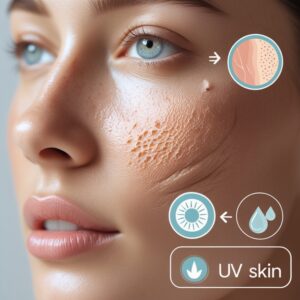
Uneven texture develops for many reasons. Knowing the causes makes it easier to choose the right routine.
Accumulation of Dead Skin
When dead skin builds up, it creates a rough surface and blocks skincare products from working effectively.
Why It Happens
-
Slow cell turnover
-
Using harsh cleansers
-
Not exfoliating regularly
Dehydrated Skin
Lack of moisture weakens your skin barrier and makes the surface feel tight or flaky.
Signs of Dehydration
-
Dry patches
-
Dullness
-
Fine lines appearing more visible
Sun Exposure
UV rays damage collagen and cause skin to lose its smooth structure, making texture irregular over time.
Hormonal Changes & Acne
Breakouts leave behind bumps, scars and marks that create uneven texture.
Natural Aging
As we age, cell turnover slows down and collagen production decreases, contributing to unevenness.
Daily Routine on How to Improve Skin Texture Naturally
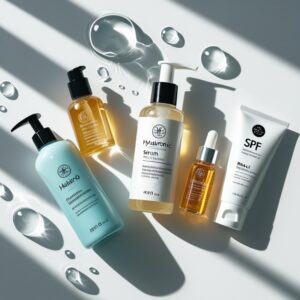
A consistent routine can make a huge difference in the softness and clarity of your skin.
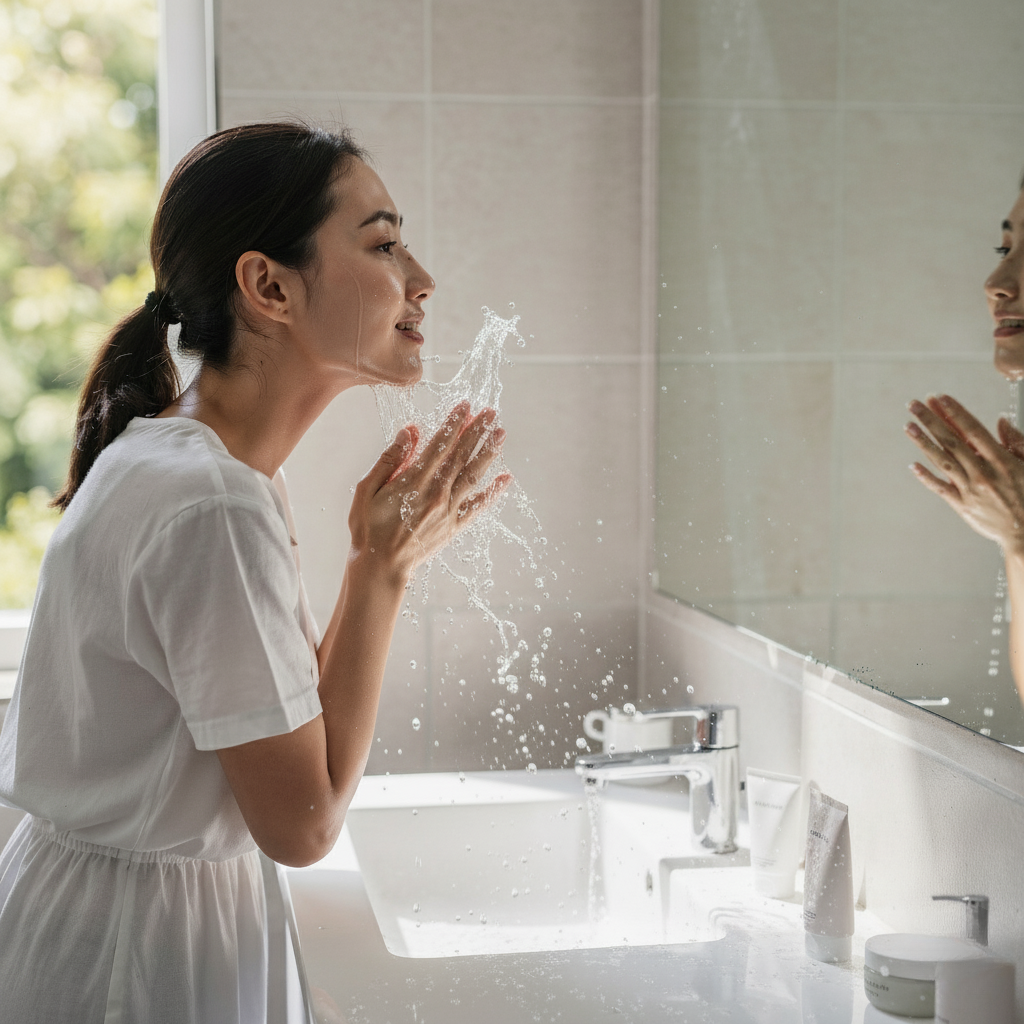
Gentle Cleansing
A mild, non-stripping cleanser helps maintain your skin barrier.
Tips for Best Results
-
Avoid strong foaming cleansers
-
Wash twice a day
-
Choose a pH-balanced product
Proper Exfoliation
Exfoliation removes dead skin and reveals a smoother layer underneath.
Types of Exfoliation
-
AHA: Glycolic and lactic acids for dull skin
-
BHA: Salicylic acid for oily or acne-prone skin
-
Enzymes: Papaya or pineapple for sensitive skin
Use exfoliation once or twice a week to avoid irritation.
Using Hydration-Boosting Ingredients
Hydrated skin always feels softer.
Recommended Ingredients
-
Hyaluronic acid
-
Glycerin
-
Panthenol
-
Ceramides
Hydration strengthens the skin barrier and reduces dryness-related texture.
Add Retinol for Smoother Skin
Retinol increases cell turnover and encourages collagen production.
Benefits of Retinol
-
Reduces roughness
-
Minimizes appearance of pores
-
Softens fine lines
Start slowly (1–2 times weekly) to avoid irritation.
Daily Sun Protection
Sunscreen prevents collagen damage and protects your improvement efforts.
Sunscreen Tips
-
Use SPF 30 or higher
-
Apply generously
-
Reapply every 2–3 hours
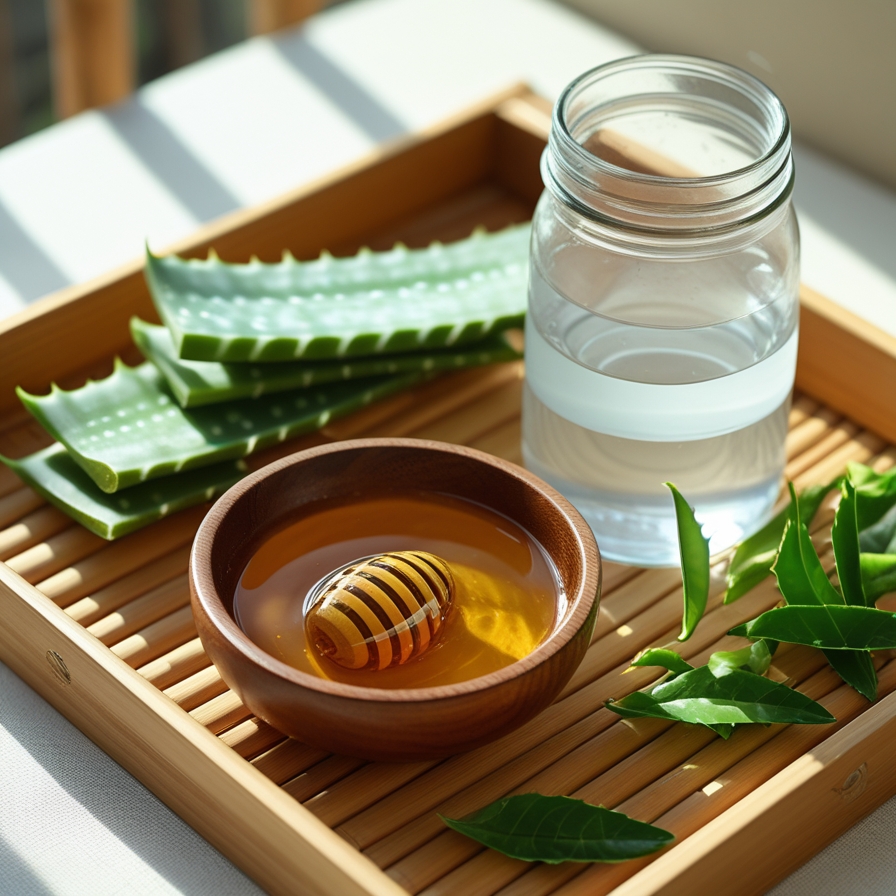
Natural Ways on How to Improve Skin Texture
If you prefer gentle, home-based methods, these ingredients provide noticeable results.
Aloe Vera
Aloe soothes irritation, hydrates the skin and supports healing.
Honey Mask
Honey has natural antibacterial and moisturizing properties that soften rough areas.
Rice Water
Rice water tightens, brightens and improves softness.
Green Tea Toner
Green tea calms inflammation and refreshes tired skin.
Diet Tips That Support Better Texture
Healthy skin depends on what you put inside your body.
Stay Hydrated
Water helps flush toxins and keeps skin supple.
Eat Antioxidant-Rich Foods
Include berries, leafy greens, nuts and dark chocolate to protect the skin from free radicals.
Add Omega-3 Fatty Acids
Foods like walnuts, chia seeds and salmon nourish the skin from within and reduce dryness.
Professional Treatments for Faster Texture Improvement
If home methods aren’t enough, professional treatments speed up results.
Chemical Peels
Peels remove damaged skin layers and reveal smoother skin beneath.
Microdermabrasion
This procedure exfoliates the top layer and refreshes dull skin.
Microneedling
Microneedling boosts collagen and improves scarring, making the skin surface more even.
Common Mistakes to Avoid
Avoiding these mistakes helps maintain consistent progress.
Over-Exfoliating
Too much exfoliation damages the skin barrier.
Skipping Moisturizer
Dryness always increases texture problems.
Using Too Many New Products
This causes irritation and breakouts.
Not Wearing Sunscreen Daily
UV damage is one of the biggest factors in texture-related issues.
Final Thoughts
Learning how to improve skin texture is about building habits that protect, nourish and repair your skin. With consistent care cleansing gently, exfoliating wisely, hydrating daily and protecting your skin from the sun you will start to notice smoother, brighter and healthier-looking skin. Professional treatments can speed up results, but the foundation always begins with your daily routine.
FAQs About How to Improve Skin Texture
FAQ 1: What is the best skincare routine for how to improve skin texture?
A balanced routine with cleansing, exfoliation, hydration and sun protection is the most effective.
FAQ 2: Can home remedies help with how to improve skin texture?
Yes, aloe vera, honey, rice water and green tea can gently improve your skin over time.
FAQ 3: How long does it take to see changes in how to improve skin texture?
Most people notice improvements within 4–8 weeks when they follow a consistent routine.
FAQ 4: Does diet affect how to improve skin texture?
Absolutely. Staying hydrated and eating antioxidant-rich foods improves skin health from inside.
FAQ 5: Which professional treatments work best for how to improve skin texture?
Chemical peels, microneedling and microdermabrasion give faster and more noticeable results.