Learn about actinic keratosis treatment, its options and preventive measures to protect your skin from sun-induced damage and reduce cancer risk.
Introduction
Actinic keratosis (AK) is a common skin condition caused by long-term sun exposure. It appears as rough, scaly patches on the skin and is often considered a precancerous condition. Timely actinic keratosis treatment is essential to prevent progression to skin cancer. Understanding treatment options, lifestyle changes and preventive measures can help maintain healthy skin.
What is Actinic Keratosis?
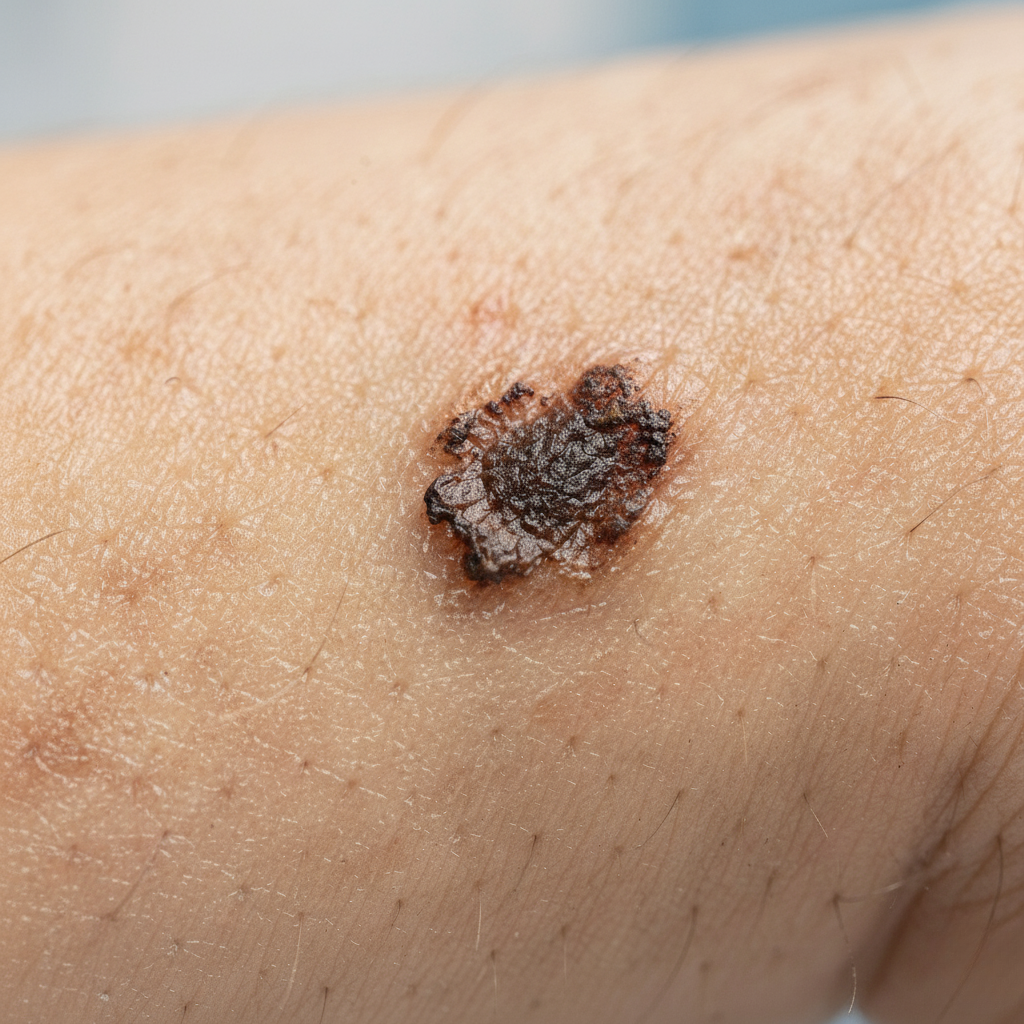
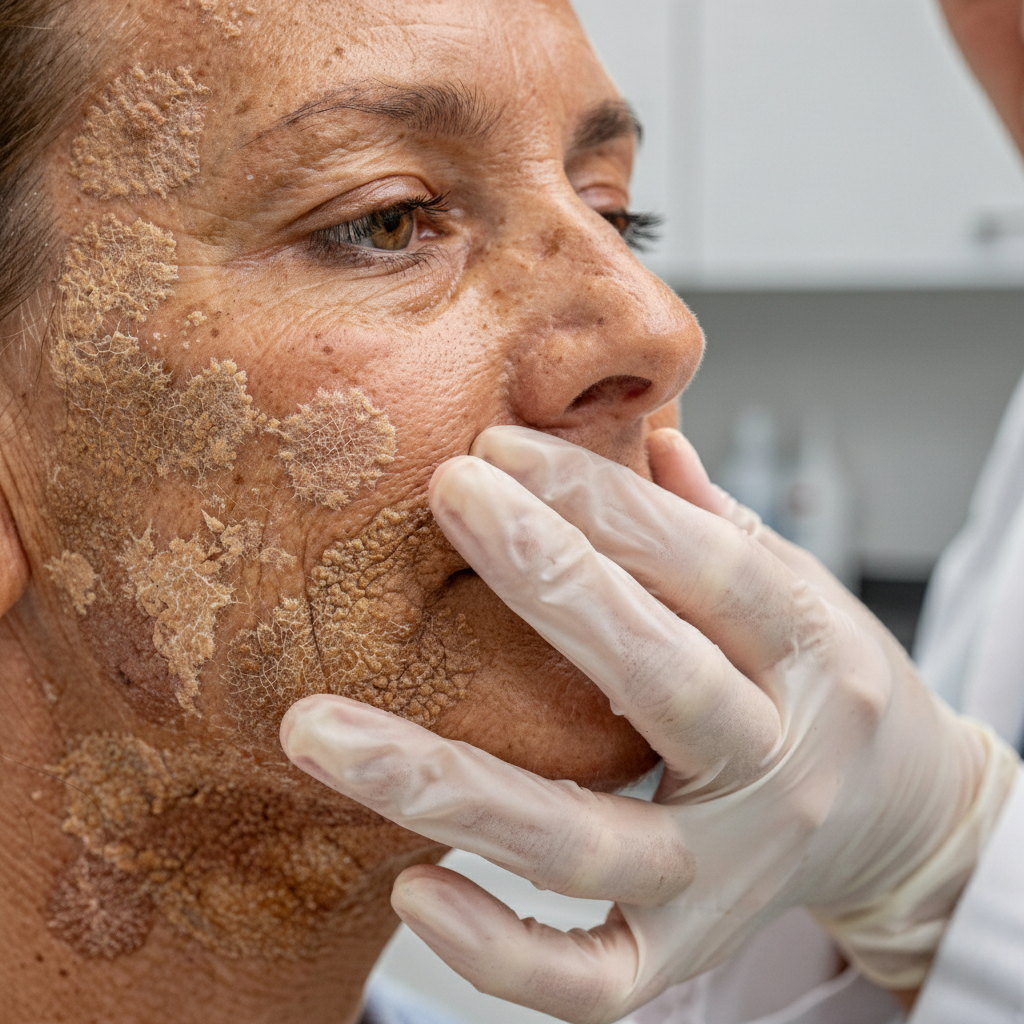
Actinic keratosis is a small, rough patch on the skin, often appearing on areas exposed to the sun such as the face, scalp, hands and arms. These lesions are caused by ultraviolet (UV) radiation, which damages the skin cells over time. While actinic keratosis itself is not cancer, it can sometimes progress to squamous cell carcinoma if left untreated.
Symptoms of Actinic Keratosis
Recognizing the early signs of AK is crucial for effective actinic keratosis treatment. Common symptoms include:
-
Rough, dry or scaly patches of skin
-
Red or pinkish spots
-
Itching or burning sensation in affected areas
-
Sometimes, thickened or wart-like growths
If you notice persistent rough patches, consulting a dermatologist promptly can prevent further complications.
Causes of Actinic Keratosis
The main cause of actinic keratosis is prolonged exposure to UV rays from the sun or tanning beds. Other contributing factors include:
-
Fair skin that burns easily
-
Older age, as skin loses its ability to repair UV damage
-
Weakened immune system
-
Genetic predisposition
Preventive measures, such as sunscreen and protective clothing, play a key role in reducing risk.
Actinic Keratosis Treatment Options
Several effective actinic keratosis treatment methods are available depending on the severity and location of the lesions.
Topical Medications
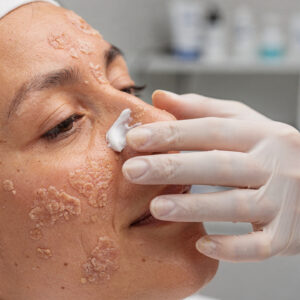
Topical creams are commonly used to treat mild AK lesions. Some options include:
-
5-Fluorouracil (5-FU) cream
-
Imiquimod cream
-
Diclofenac gel
These medications work by stimulating the immune system or directly destroying abnormal skin cells.
Cryotherapy
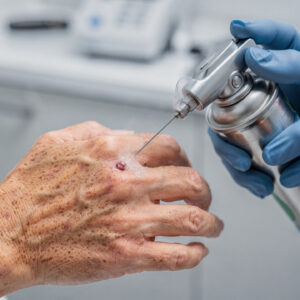
Cryotherapy involves freezing the lesions with liquid nitrogen. This method is fast and effective for small, isolated patches. Patients may experience redness and blistering that heals over a few weeks.
Photodynamic Therapy (PDT)
PDT uses a combination of light and a photosensitizing agent to destroy abnormal cells. This treatment is suitable for larger or multiple lesions and has shown good cosmetic results.
Laser and Surgical Options
For resistant or thickened lesions, laser therapy or surgical removal may be recommended. Dermatologists can choose the most suitable method based on lesion size, location and patient preference.
Preventive Measures
Prevention is as important as treatment in managing actinic keratosis. Simple lifestyle changes can significantly reduce the risk:
-
Apply broad-spectrum sunscreen daily
-
Wear protective clothing, hats and sunglasses
-
Avoid tanning beds and excessive sun exposure
-
Regularly check your skin for any changes
FAQs about Actinic Keratosis Treatment
1. Can actinic keratosis turn into skin cancer?
Yes, if left untreated, AK can progress to squamous cell carcinoma. Early actinic keratosis treatment reduces this risk.
2. How long does treatment take?
Topical treatments may take several weeks, while cryotherapy or laser therapy can provide faster results. The timeline depends on lesion size and severity.
3. Is actinic keratosis painful?
Most AK lesions are painless, but some may cause itching or burning. Severe cases can be uncomfortable and require prompt treatment.
4. Can AK come back after treatment?
Yes, new lesions can appear, especially if the skin continues to be exposed to UV radiation. Preventive measures are essential to reduce recurrence.
5. Should I see a dermatologist for actinic keratosis?
Absolutely. Professional evaluation ensures proper diagnosis and timely actinic keratosis treatment to prevent complications.

Conclusion
Actinic keratosis is a common but potentially serious skin condition caused by sun exposure. Early recognition and timely actinic keratosis treatment can prevent progression to skin cancer. From topical creams to advanced therapies like photodynamic treatment and cryotherapy, several options are available. Combining treatment with preventive measures such as sunscreen and protective clothing ensures long-term skin health. Regular skin checks and professional guidance remain the cornerstone of effective AK management.