A skin cancer specialist helps diagnose and treat skin cancer early. Learn when to see a specialist, treatment options and prevention tips.
Introduction
Skin cancer is a serious health concern that affects millions of people each year. Many cases begin with small changes in the skin that are easy to overlook. This is where a skin cancer specialist plays an essential role. These experts are trained to recognize early warning signs, provide accurate diagnoses and guide patients through effective treatment plans. Understanding when to seek professional help can make a life-saving difference. In this article, we explore who these specialists are, how they work and why timely care matters.
Who Is a Skin Cancer Specialist?
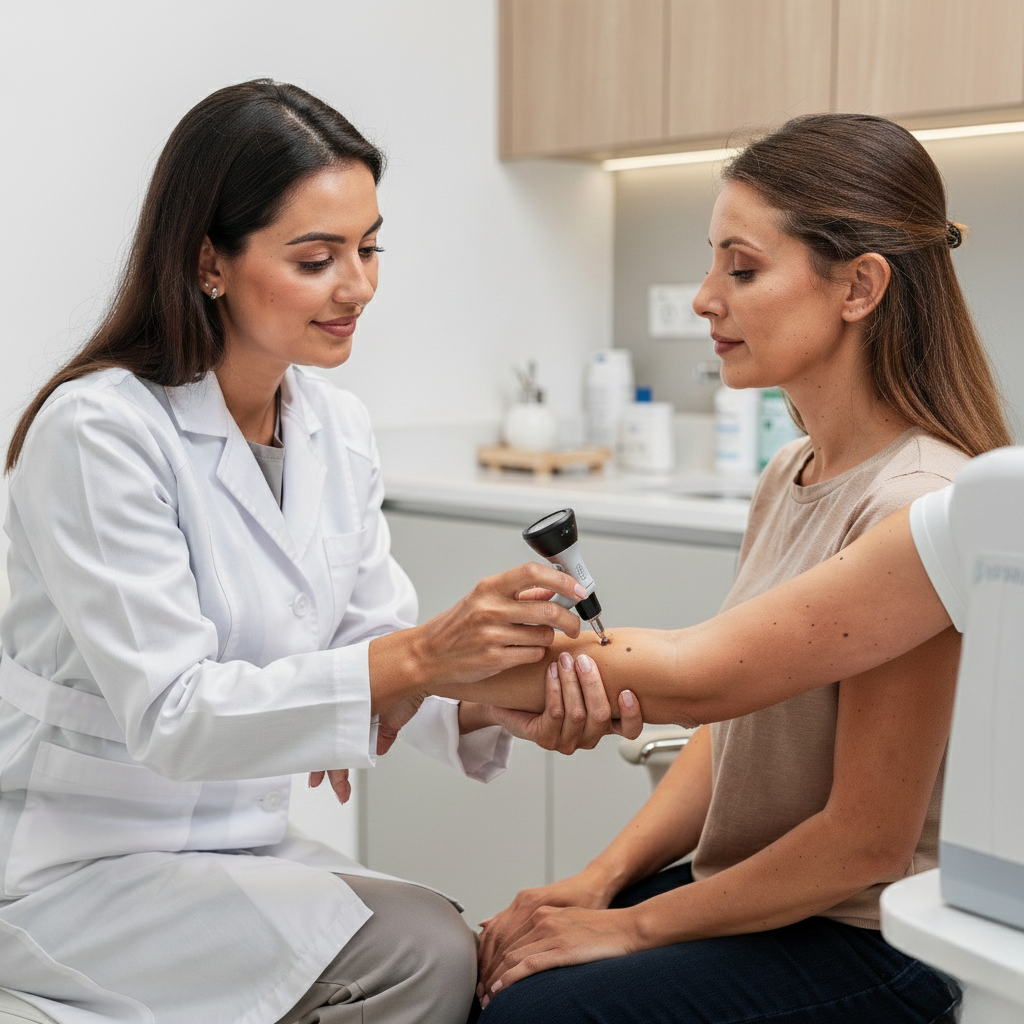
A skin cancer specialist is a medical professional with advanced knowledge in identifying and managing skin cancers. Most specialists come from dermatology or oncology backgrounds and receive additional training focused on cancer care.
Medical Experts Involved in Skin Cancer Care
-
Dermatologists trained in cancer detection
-
Surgical specialists for tumor removal
-
Oncology doctors for advanced cases
-
Mohs surgeons for precision treatment
Each professional focuses on a specific aspect of care, ensuring patients receive accurate diagnosis and safe treatment.
Signs That Indicate You Need Professional Evaluation
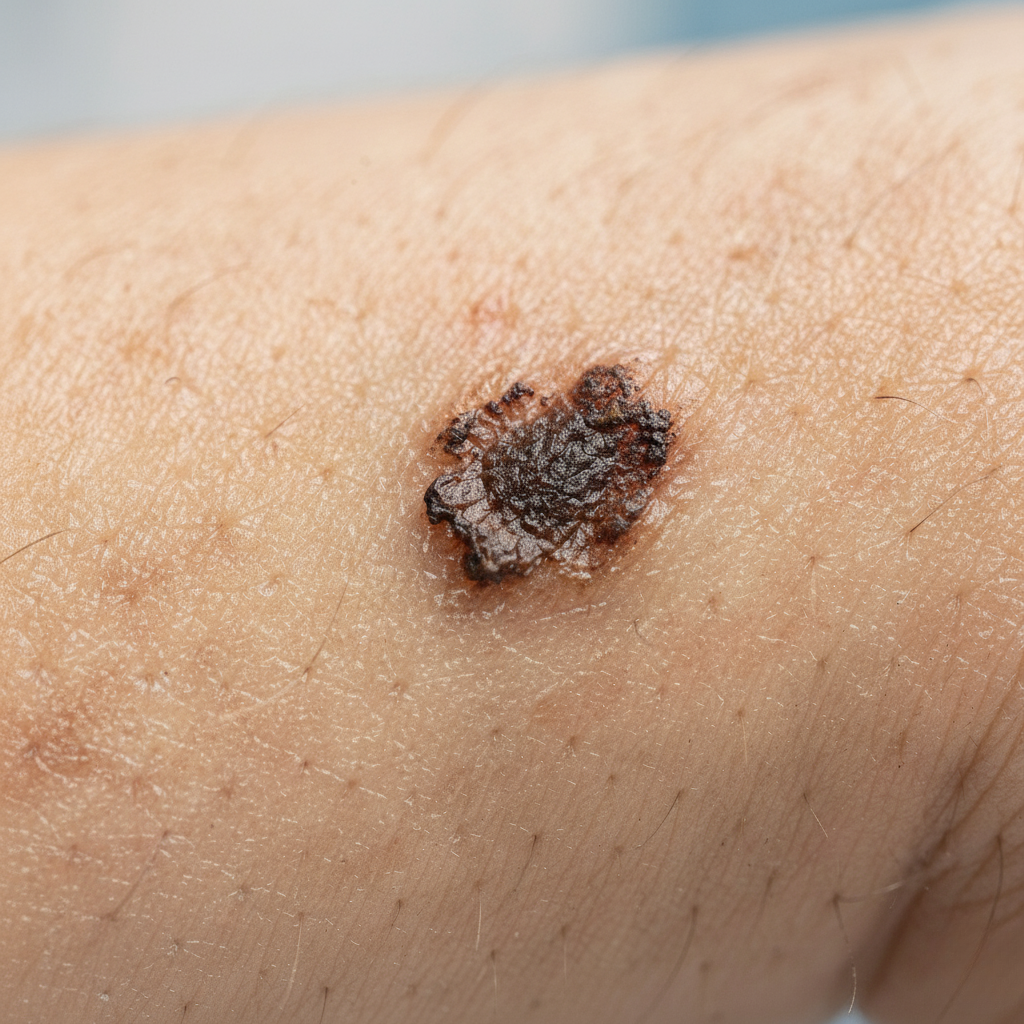
Not every skin change is dangerous, but certain symptoms should never be ignored. Seeing a skin cancer specialist early improves outcomes and reduces complications.
Warning Signs to Watch For
-
Moles changing color or shape
-
New growths that appear suddenly
-
Wounds that do not heal
-
Persistent itching or bleeding
People with excessive sun exposure or a family history of cancer should remain especially cautious.
How Diagnosis Is Performed
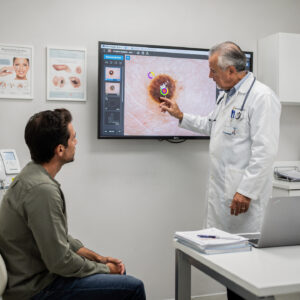
Diagnosis requires careful examination and testing. A skin cancer specialist uses advanced tools to identify abnormalities accurately.
Diagnostic Techniques
-
Full-body skin examinations
-
Dermoscopic imaging
-
Skin biopsies
-
Laboratory testing
These methods help confirm whether a lesion is cancerous and determine its type and stage.
Treatment Options Available
Treatment depends on the cancer type, size and progression. A skin cancer specialist designs a personalized plan based on individual needs.
Common Treatment Methods
-
Surgical removal of cancerous tissue
-
Mohs micrographic surgery
-
Cryotherapy for early lesions
-
Radiation therapy
-
Immunotherapy or targeted drugs
The main goal is complete removal while preserving healthy skin whenever possible.
Prevention and Ongoing Care
Prevention is a major focus of long-term skin health. A skin cancer specialist educates patients on daily habits that lower future risks.
Preventive Recommendations
-
Apply sunscreen daily
-
Avoid tanning beds
-
Wear sun-protective clothing
-
Perform regular self-checks
-
Schedule routine professional exams
Consistent preventive care can significantly reduce the likelihood of recurrence.
Choosing the Right Medical Expert
Finding the right skin cancer specialist ensures confidence and proper care throughout the treatment process.

What to Consider
-
Board certification
-
Experience with skin cancer cases
-
Access to modern treatment options
-
Clear communication and patient support
A trusted professional partnership improves both physical and emotional well-being.
Frequently Asked Questions (FAQs)
1. What does a skin cancer specialist do?
A skin cancer specialist examines suspicious skin changes, performs diagnostic tests and provides treatment plans tailored to the patient’s condition.
2. How do I know if I need a specialist?
If you notice unusual moles, non-healing sores or rapid skin changes, it is wise to consult a skin cancer specialist for evaluation.
3. Is skin cancer treatment painful?
Most procedures performed by a skin cancer specialist involve minimal discomfort and are done using local anesthesia.
4. How often should skin exams be done?
Annual exams are recommended, but high-risk individuals may need more frequent visits to a skin cancer specialist.
5. Can early detection improve survival?
Yes. Early diagnosis by a skin cancer specialist greatly increases treatment success and survival rates.
Conclusion
A skin cancer specialist plays a crucial role in protecting your skin and overall health. From early detection to advanced treatment and prevention guidance, these experts help patients manage risks and achieve better outcomes. Skin cancer can progress silently, making regular checkups and awareness essential. If you notice any concerning changes or have increased risk factors, seeking professional care promptly can make all the difference. Prioritizing skin health today helps ensure a safer and healthier future.