The Ultimate Guide to Natural Ways to Reduce Hair Fall and Promote Growth
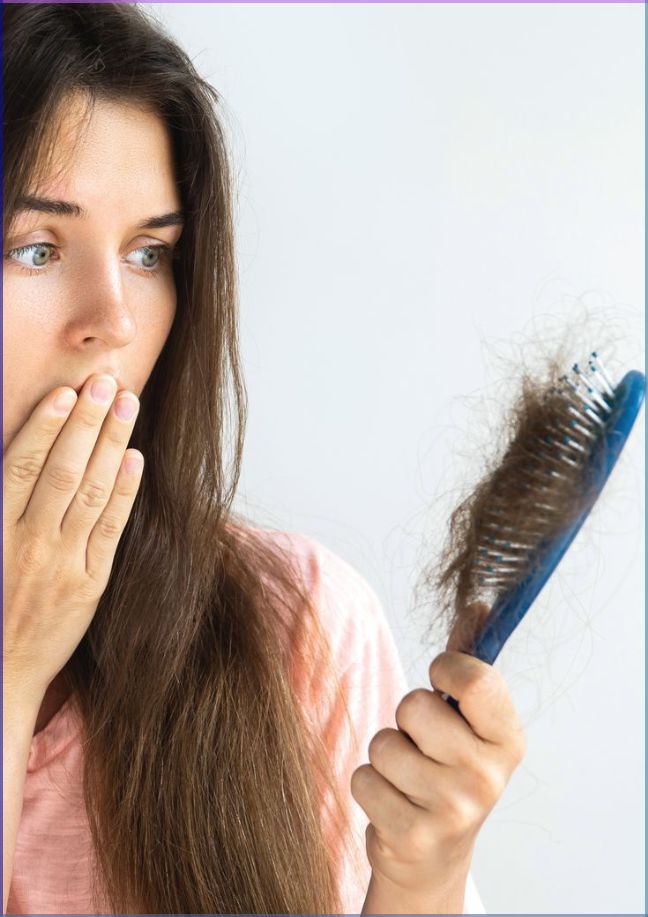
Hair fall is a common concern that can affect confidence and overall well-being. While genetics play a role, lifestyle, nutrition and stress are often significant contributing factors. Before resorting to chemical treatments, many people seek effective, gentle natural ways to reduce hair fall. This comprehensive guide explores proven techniques, from diet modifications and topical remedies to stress management, to help you achieve a fuller, healthier head of hair.
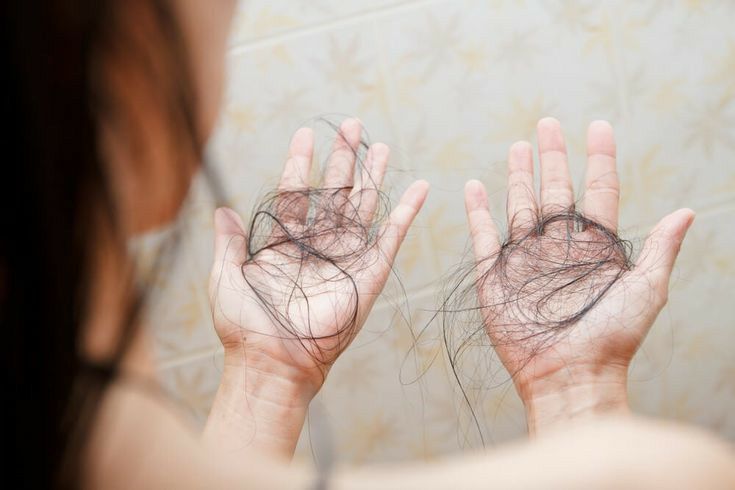
Understanding Hair Fall: Why It Happens
Before diving into solutions, it’s important to understand the common causes of excessive hair shedding:
-
Nutritional Deficiencies: Lack of essential vitamins and minerals (especially Iron, Vitamin D, Zinc and Biotin) can weaken hair strands.
-
Hormonal Changes: Conditions like thyroid issues, pregnancy and menopause can trigger temporary or chronic hair loss.
-
Stress: Chronic stress elevates cortisol levels, which can push hair follicles into the resting phase (telogen), leading to increased shedding.
-
Poor Hair Care Habits: Over-styling, harsh chemical treatments and tight hairstyles damage the hair shaft and root.
1: Topical Natural Ways to Reduce Hair Fall
Nature offers powerful, soothing ingredients that can be applied directly to the scalp to strengthen hair and stimulate follicles.
Essential Oil Blends for Scalp Stimulation
Certain essential oils are renowned for their ability to boost circulation and deliver nutrients to the scalp.
-
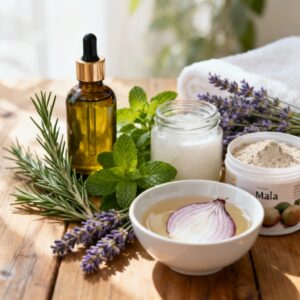
Rosemary Oil: Studies suggest rosemary oil is as effective as minoxidil (a common hair growth treatment) in stimulating growth. Mix 2-3 drops of rosemary oil with a carrier oil like coconut or jojoba oil and massage into your scalp for several minutes before washing.
-
Peppermint Oil: Known for its vasodilating effect, peppermint oil increases blood flow, encouraging follicles to remain active. Use a diluted mixture (1-2 drops per tablespoon of carrier oil).
-
Lavender Oil: Helps promote skin cell turnover and has antimicrobial properties, which can help maintain a clean, healthy scalp environment.
Herbal Rinses and Masks
-
Onion Juice: High in sulfur, which helps regenerate hair follicles and boost collagen production. Blend an onion, strain the juice and apply it to your scalp for 30 minutes before shampooing. While the smell is strong, the results can be worth it.
-
Amla (Indian Gooseberry) Mask: Amla is rich in Vitamin C and antioxidants. Mix amla powder with coconut oil and apply it as a weekly mask to nourish the roots and prevent premature graying.
2: Diet and Internal Natural Ways to Reduce Hair Fall
Hair is a direct reflection of your internal health. Adjusting your diet is one of the most effective long-term natural ways to reduce hair fall.
Prioritizing Hair-Friendly Nutrients
Ensure your diet is rich in these foundational elements:
-
Protein: Since hair is primarily made of protein, consuming adequate amounts (fish, eggs, lean meats, legumes) is non-negotiable for strong strands.
-
Iron: Deficiency is a major cause of hair loss. Red meat, spinach, lentils and fortified cereals should be staples.
-
Omega-3 Fatty Acids: Found in salmon, walnuts and flaxseeds, these healthy fats reduce inflammation and nourish the scalp, creating a better environment for hair growth.
-
Biotin (Vitamin B7): Known to strengthen keratin infrastructure. Sources include eggs, nuts and sweet potatoes.
-
Vitamin D: Helps create new follicles. Get your levels checked and supplement if necessary or spend controlled time in the sun.
Hydration and Water Intake
Dehydration affects every cell in your body, including hair follicle cells. Drinking plenty of water daily is a simple yet crucial step among the natural ways to reduce hair fall by keeping the hair shaft elastic and less prone to breakage.
3: Lifestyle and Stress Management
Stress is arguably the most pervasive modern contributor to hair loss. Managing it effectively is a key pillar of any hair fall reduction strategy.
The Importance of Mind-Body Practices
-
Yoga and Meditation: These practices are highly effective at lowering cortisol levels, directly mitigating stress-induced hair shedding (telogen effluvium). A few minutes of deep breathing daily can make a difference.
-
Adequate Sleep: Aim for 7-8 hours of quality sleep. This is when the body repairs and regenerates cells, including those responsible for hair growth.
Gentle Hair Care Routine
Adopt habits that minimize physical stress on your hair:
-
Avoid Tight Hairstyles: Constant tension from braids or tight ponytails can lead to traction alopecia.
-
Limit Heat Styling: High heat weakens the hair structure. Air-dry whenever possible.
-
Use Wide-Toothed Combs: Detangle gently, starting from the ends and working your way up to the roots to prevent breakage.
The Role of Consistency
Successfully implementing natural ways to reduce hair fall requires patience and consistency. Hair growth is a slow cycle and you typically won’t see significant changes for 3–6 months. By combining internal nourishment (diet), external stimulation (oils/masks) and stress reduction, you create the optimal foundation for healthy, sustained hair growth.
Frequently Asked Questions (FAQs)
Q1: How long does it take to see results from natural ways to reduce hair fall?
A: Because hair grows slowly, typically at about half an inch per month, it usually takes 3 to 6 months of consistent application of natural ways to reduce hair fall (like dietary changes and topical oil massages) before you notice a significant reduction in shedding and visible new growth.
Q2: Are there any side effects to using essential oils for hair growth?
A: When used correctly (diluted with a carrier oil), essential oils like rosemary and peppermint are generally safe. The primary side effect is scalp irritation if applied undiluted. Always perform a patch test first, especially if you have sensitive skin.
Q3: Can a vegan or vegetarian diet still provide enough nutrients to prevent hair fall?
A: Yes, absolutely. However, individuals on plant-based diets must be mindful of key nutrients like Iron, Vitamin B12 and Omega-3s, which are more readily available in animal products. Consuming iron-rich plants (spinach, lentils) with Vitamin C (oranges, bell peppers) enhances absorption and B12 should typically be supplemented.
Q4: What’s the best time of day to apply a hair mask or oil for maximum benefit?
A: Applying oils or masks 1–2 hours before washing your hair (or leaving them overnight, covered with a towel) allows maximum absorption of the nutrients. This routine is one of the best natural ways to reduce hair fall by strengthening the roots.
Discover effective natural ways to reduce hair fall with our ultimate guide! Learn about essential oils, hair-friendly nutrition and stress management techniques to promote thicker, healthier hair.