Discover the most effective natural remedies and simple routines for dandruff treatment at home. Learn how to soothe an itchy scalp, reduce flakes, and restore healthy hair using common kitchen ingredients.
Introduction: Understanding the Flaky Foe
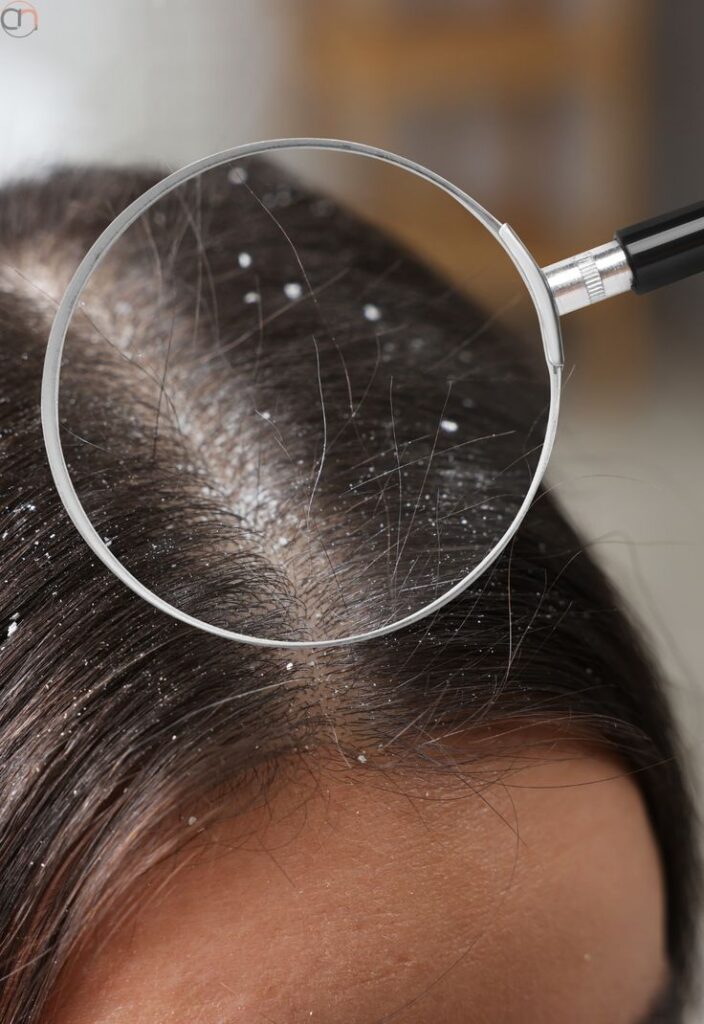
Dandruff is more than just a cosmetic nuisance; it’s a common scalp condition that affects millions globally. Characterized by irritating itchiness, redness, and those telltale white flakes falling onto dark clothing, it can significantly impact confidence.
While medicated shampoos are readily available, many people are turning to natural, holistic, and affordable solutions. The good news is that achieving an effective dandruff treatment at home is entirely possible using ingredients you likely already have in your pantry or medicine cabinet. This comprehensive guide will walk you through understanding dandruff, preparing effective DIY remedies, and establishing a sustainable scalp-care routine.

What Causes Dandruff and Why Home Treatment Works
To defeat dandruff, we must first understand its causes. Dandruff isn’t caused by poor hygiene, as is often misunderstood, but rather by a combination of factors:
-
Excess Oil (Sebum): Dandruff thrives on oil, or sebum, produced by the scalp.
-
Malassezia Fungus: This yeast-like fungus naturally lives on most adult scalps. However, in some individuals, it overgrows, feeding on sebum and producing oleic acid, which irritates the scalp and accelerates skin cell turnover, leading to flaking.
-
Dry Skin: While less common than Malassezia, a truly dry scalp can also cause smaller, less oily flakes.
-
Sensitivity to Products: Contact dermatitis caused by reactions to harsh chemicals in hair care products can also mimic dandruff symptoms.
A proper dandruff treatment at home targets these causes by using natural ingredients that are antimicrobial (to control Malassezia), moisturizing (to prevent dryness), and balancing (to regulate oil production).
Best Natural Ingredients for Dandruff Treatment at Home
Nature provides a powerful arsenal for maintaining scalp health. Here are the top ingredients to include in your routine for the best dandruff treatment at home:
Coconut Oil: The Ultimate Moisturizer and Barrier
Coconut oil is renowned for its moisturizing properties. It helps seal moisture into the scalp, combating dryness. Crucially, studies have shown that it can penetrate the hair shaft and may inhibit the growth of Malassezia fungus due to its medium-chain fatty acids, making it a fantastic base for any dandruff treatment at home.
Tea Tree Oil: Nature’s Antifungal Powerhouse
Tea Tree Oil contains terpinen-4-ol, a compound with potent antifungal and antibacterial properties. Since excess yeast is a primary culprit, adding a few drops of this essential oil (always diluted with a carrier oil like coconut or olive oil) to your shampoo or a scalp mask can be highly effective.
Apple Cider Vinegar (ACV): Balancing pH Levels
The mildly acidic nature of Apple Cider Vinegar can help balance the scalp’s pH, making it a less hospitable environment for the Malassezia fungus. Furthermore, ACV helps clarify the scalp by removing residue and buildup from hair products, which often contribute to flaking. A simple ACV rinse is a key step in any effective dandruff treatment at home.
Baking Soda: Gentle Exfoliation
Baking soda (sodium bicarbonate) offers a dual benefit. It can gently exfoliate the scalp, lifting dead skin cells and removing flakes. It also possesses mild antifungal properties. Use it sparingly, however, as overuse can disrupt the scalp’s natural oil balance.
DIY Recipes: Easy Dandruff Treatment at Home Routines
Creating your own scalp remedies ensures you know exactly what is going onto your skin—no harsh sulfates or artificial fragrances.
Weekly Deep-Conditioning Mask
This mask tackles inflammation and deeply nourishes the scalp.
Ingredients:
-
3 tablespoons of Plain Yogurt (Probiotics help with microflora balance)
-
1 tablespoon of Honey (Natural humectant and antibacterial)
-
1 teaspoon of Lemon Juice (Acidic properties for pH balance)
Instructions:
-
Mix all ingredients thoroughly to form a smooth paste.
-
Apply the mask directly to the scalp, focusing on affected areas.
-
Leave on for 20 minutes before rinsing thoroughly with cool water and following with a mild shampoo.
Post-Wash ACV Rinse for Flake Reduction
This is an excellent final step for dandruff treatment at home to restore pH and clarity.
Ingredients:
-
1 part Apple Cider Vinegar
-
4 parts Water
-
5 drops of diluted Tea Tree Oil (optional)
Instructions:
-
After shampooing and conditioning, pour the mixture over your scalp.
-
Gently massage for 30 seconds.
-
Rinse with cool water. (The vinegar smell dissipates once the hair dries.)
The Overnight Coconut Oil and Tea Tree Treatment
This is arguably the most powerful natural approach to dandruff treatment at home.
-
Mix 2 tablespoons of warm Coconut Oil with 5-6 drops of Tea Tree Essential Oil.
-
Massage the blend gently into your scalp before bed.
-
Cover your hair with a shower cap or towel to protect bedding.
-
Shampoo thoroughly the next morning (you may need a double wash).
Daily Habits and Scalp Care for Long-Term Control
An effective dandruff treatment at home goes beyond just masks and rinses; it requires consistent, mindful daily care.
Shampooing Routine and Product Selection
-
Wash Frequency: If you have an oily scalp, washing daily or every other day is crucial to prevent oil buildup that feeds the Malassezia fungus.
-
Gentle Products: Use mild, sulfate-free shampoos that do not strip the scalp of all its natural oils, which can cause rebound oil production.
-
Rinsing: Always rinse your hair thoroughly. Residual shampoo or conditioner can build up and worsen flaking.
Brushing and Styling Practices
-
Brushing: Brush your hair regularly to help loosen and remove flakes and promote blood circulation to the scalp. Always use clean brushes.
-
Heat Styling: Minimize the use of hot tools like blow dryers (especially high heat directly on the scalp), flat irons, and curling wands, as excessive heat can dry out and irritate the scalp.
Stress and Diet
Dandruff is often exacerbated by stress. Incorporate stress-reducing activities like yoga, meditation, or regular exercise into your life. Furthermore, a diet rich in B vitamins, Zinc, and healthy fats (like Omega-3s) supports overall skin and scalp health, acting as an internal component of your dandruff treatment at home.
Conclusion: Achieving a Healthy, Flake-Free Scalp
Achieving a flake-free scalp through dandruff treatment at home is an achievable goal that simply requires patience and consistency. By understanding the causes of dandruff and using powerful natural ingredients like coconut oil, tea tree oil, and ACV, you can establish a routine that balances your scalp’s pH and controls fungal overgrowth. Commit to these simple habits, and you’ll be well on your way to enjoying healthier, more comfortable hair.

Frequently Asked Questions (FAQs)
FAQ 1: How long does it take for dandruff treatment at home to show results?
You should typically start seeing initial improvements in flaking and itching within 2 to 4 weeks of consistent use. For severe cases, it might take up to 6 weeks. Consistency is the most important factor in any dandruff treatment at home plan.
FAQ 2: Should I stop using my regular shampoo while using natural remedies?
You don’t necessarily have to stop, but it is highly recommended to switch to a mild, sulfate-free, or natural shampoo. Harsh chemical shampoos can negate the balancing effects of natural remedies and hinder your dandruff treatment at home.
FAQ 3: Can stress really cause my dandruff to flare up?
Yes, stress is a major contributor. While stress doesn’t directly cause dandruff, it can weaken your immune system. A compromised immune system makes it easier for the Malassezia fungus to overgrow, leading to a noticeable flare-up of dandruff symptoms.
FAQ 4: Is Lemon Juice or ACV better for dandruff treatment at home?
Both are effective. Lemon juice is stronger and more acidic, making it great for cutting through oil, but it can be drying if used too often. ACV is milder and generally better for long-term pH balance, making it a safer choice for a consistent dandruff treatment at home rinse.
FAQ 5: When should I see a dermatologist instead of relying on home remedies?
If you have used reliable dandruff treatment at home methods consistently for 6-8 weeks and still experience severe redness, persistent scaling, painful sores, or hair loss, it is time to consult a dermatologist. You may have a condition like seborrheic dermatitis that requires prescription medication.