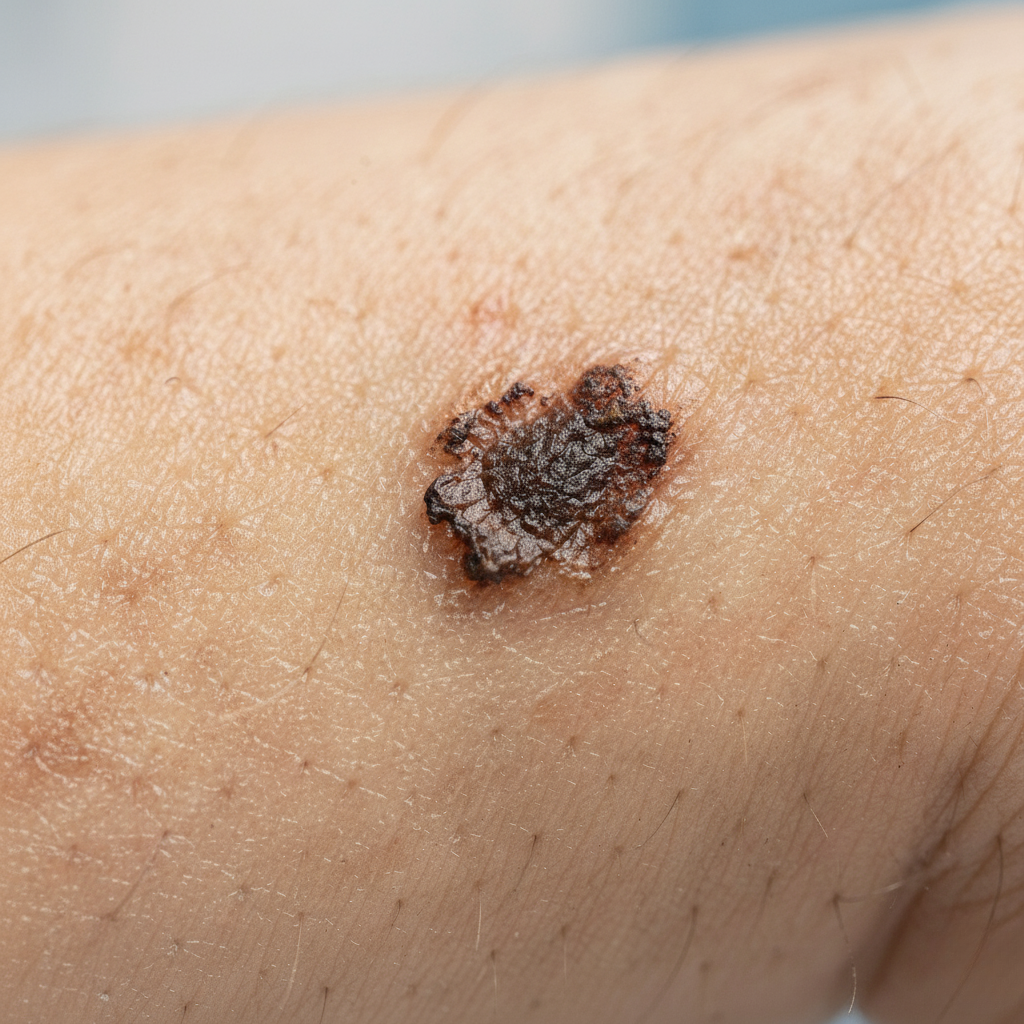
Learn how to identify skin cancer spots, early warning signs, causes and treatment options. This guide helps you understand suspicious skin changes and when to see a dermatologist.
Skin Cancer Spots: How to Identify Early Warning Signs
Skin cancer is one of the most common cancers worldwide and early detection plays a major role in successful treatment. Many people confuse normal moles, freckles and harmless skin marks with dangerous skin cancer spots. Understanding the difference can protect your health and potentially save your life. In this guide, we explain how skin cancer appears, what symptoms to look for and when to seek professional help.
What Are Skin Cancer Spots?
Skin cancer spots are abnormal skin growths or marks caused by uncontrolled growth of skin cells. These spots can appear anywhere on the body, even in areas not frequently exposed to the sun. Although skin cancer often develops slowly, certain types can spread quickly if left untreated.
Main Types of Skin Cancer That Cause Spots
Below are the three most common skin cancers that create visible skin changes:
Melanoma
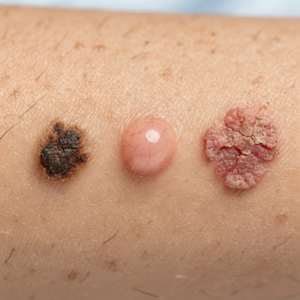
Melanoma is the most dangerous form of skin cancer. It usually starts as a dark, irregular spot or mole. These skin cancer spots often look uneven, change color, or grow rapidly.
Basal Cell Carcinoma (BCC)
BCC is the most common skin cancer type. These spots usually appear as small, shiny bumps or pink patches. They rarely spread but can damage surrounding tissue if ignored.
Squamous Cell Carcinoma (SCC)
SCC spots often show up as rough, scaly patches or firm red nodules. They may bleed or form crusts.
Early Signs of Skin Cancer Spots
Recognizing skin cancer early increases the chances of successful treatment. Here are the most common signs:
The ABCDE Rule
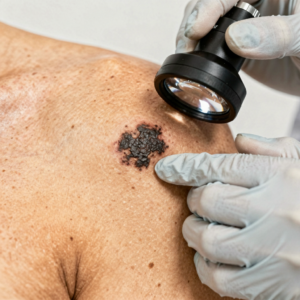
Dermatologists use the ABCDE rule to identify melanoma. You can use it to examine your skin regularly.
A – Asymmetry
One half of the spot does not match the other half.
B – Border
Irregular, jagged, or blurry edges.
C – Color
Multiple colors such as black, brown, red, blue, or white.
D – Diameter
A spot larger than 6mm (size of a pencil eraser).
E – Evolving
Any change in size, shape, color, or symptoms like bleeding or itching.
What Do Skin Cancer Spots Look Like?
Because symptoms can vary, it is important to know how skin cancer spots commonly appear.
Common Visual Features
-
A new spot that looks different from other marks on your skin
-
A mole that changes over time
-
A sore that does not heal
-
A shiny or pearly bump
-
A flat or slightly raised pink patch
-
Rough, scaly, or crusty areas
Symptoms Beyond Appearance
Sometimes skin cancer causes sensations along with visible changes:
-
Itching
-
Tenderness
-
Bleeding
-
Painful to touch
While not all skin changes are cancer, anything unusual should be evaluated by a professional.
Causes and Risk Factors
Understanding what causes skin cancer spots helps you protect your skin from future damage.
UV Exposure
The biggest cause is ultraviolet (UV) rays from the sun or tanning beds. Long-term exposure damages DNA inside skin cells, leading to abnormal growth.
Genetics
If you have a family history of skin cancer, your risk increases significantly.
Fair Skin and Light Features
People with light skin, blonde or red hair and light eyes are more sensitive to UV damage.
Weak Immune System
Individuals with weakened immunity due to medication or illness — are more prone to developing skin cancer.
How to Prevent Skin Cancer Spots
Prevention is the best protection. Small lifestyle changes can significantly reduce risk.
Sun Protection
-
Use SPF 30 or higher daily
-
Wear wide-brimmed hats and protective clothing
-
Avoid peak sun hours (10 AM to 4 PM)
Regular Skin Checks
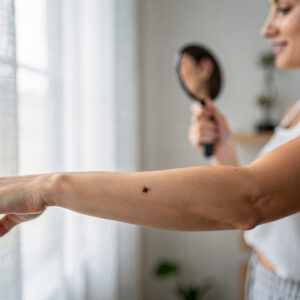
Examine your skin once a month using a mirror. Look for new or changing skin cancer spots.
Healthy Habits
-
Avoid tanning beds
-
Strengthen your immune system with a healthy diet
-
Stay hydrated to keep skin healthy
Diagnosis and Treatment Options
If you notice a suspicious spot, schedule a dermatology appointment.
How Doctors Diagnose Skin Cancer
-
Visual examination
-
Dermoscopy
-
Skin biopsy to confirm cancer type
Treatment Methods
Surgery
The most common treatment. Cancerous spots are removed completely.
Cryotherapy
Liquid nitrogen freezes and destroys cancer cells.
Radiation Therapy
Used for areas difficult to treat surgically.
Topical Medications
Creams or gels prescribed to treat early-stage cancers.
When Should You See a Dermatologist?
You should visit a dermatologist immediately if:
-
A mole looks irregular or changes suddenly
-
A spot bleeds without reason
-
A wound does not heal
-
You notice new skin growths that look suspicious
Early detection makes treatment easier and more effective.
FAQs About Skin Cancer Spots
FAQ 1: Are skin cancer spots always painful?
No. Many skin cancer spots do not hurt at all. Pain is not a reliable sign. Visual changes are more important.
FAQ 2: Can skin cancer spots be small?
Yes. Some spots are tiny but dangerous. Even small changes should be monitored closely.
FAQ 3: Do skin cancer spots always grow fast?
Not necessarily. Some grow slowly over years, while others can change quickly. Any change should be checked.
FAQ 4: Can I treat a suspicious spot at home?
No. Only a dermatologist can diagnose or treat skin cancer spots correctly. Home treatment may delay proper care.
FAQ 5: Can younger people get skin cancer?
Yes. Although more common in older adults, skin cancer can affect anyone, including teens and young adults.
Conclusion
Skin cancer is highly treatable when detected early. By understanding how skin cancer spots look and behave, you can catch warning signs before they become serious. Regular self-checks, sun protection and routine dermatologist visits play a crucial role in preventive care. If you ever notice a spot that seems unusual, changing, or uncomfortable, consult a skin specialist as soon as possible. Your skin health is worth protecting.